
Motel vs Resort vs City Hotel: Choosing the Right Asset Class
Compare motels, resorts and city hotels in Malaysia by operating model, capex, seasonality and yield to choose the hospitality asset class that fits your goals.
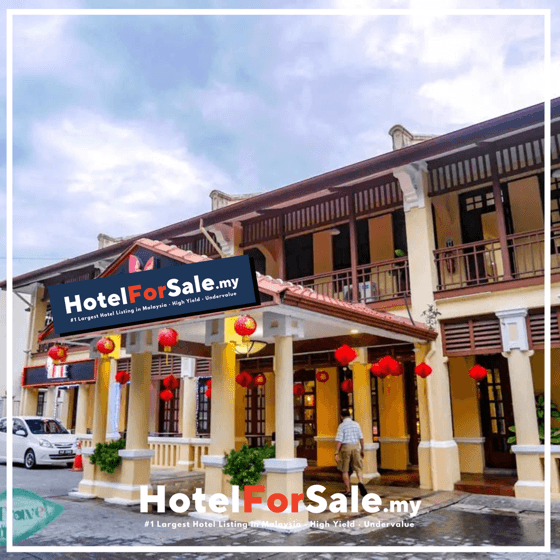
Not all hotels are the same investment. A roadside motel in Tapah, a beach resort in Langkawi and a business hotel in central Kuala Lumpur generate income in completely different ways. Before you commit capital, understand how each asset class behaves so you can match it to your budget, risk appetite and management capacity.
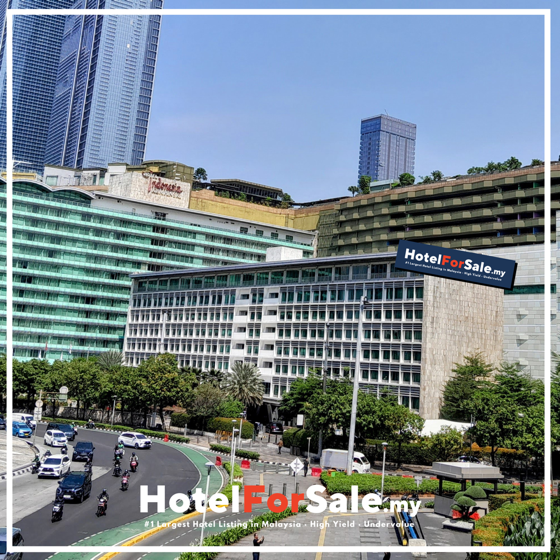
Motels: Lean Operating Model, Steady Cash
Motels are the most operationally simple hospitality asset. Located along trunk roads and highways such as the routes through Bidor, Gua Musang or Kluang, they serve transit travellers, drivers and budget tourists. Rooms turn over quickly, services are minimal, and staffing is light.
- Low capex and refurbishment cost per room
- Minimal facilities mean lower operating overhead
- Steady, year-round demand with little seasonality
- Lower ADR but high occupancy can deliver strong net yield
Motels suit hands-on, value-focused buyers who want predictable cash flow without complex operations. They also convert well when you want to add value cheaply.
Resorts: High Capex, Seasonal Swings
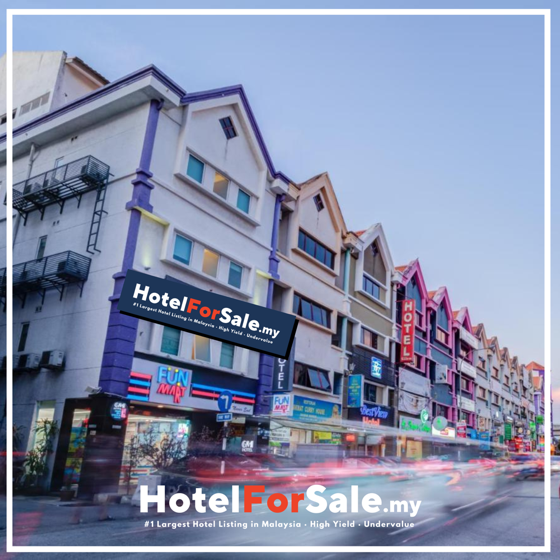
Resorts in destinations like Langkawi, Port Dickson, the Cameron Highlands and Pulau Redang command the highest room rates but carry the heaviest cost base. Pools, restaurants, spas, beach frontage and extensive grounds all demand ongoing capital and a large service team.
Seasonality is the defining risk. School holidays, festive seasons and the monsoon dramatically swing occupancy. East-coast resorts may close or run near-empty during the monsoon months, so your annual yield must absorb those low quarters. Resorts reward operators with strong marketing and brand partnerships, and buyers with deep capital reserves.
City Hotels: Balanced Demand, Brand Leverage
City hotels in Kuala Lumpur, Johor Bahru, Penang and Kota Kinabalu blend corporate, leisure and event demand. Midweek business travel offsets weekend leisure dips, giving steadier occupancy than resorts. They benefit most from international brand affiliation and online distribution.
Capex sits between motels and resorts: you need quality rooms, meeting space and reliable F&B, but not sprawling resort grounds. Location is everything. A hotel near a convention centre, transport hub or business district will outperform one a few streets away.
Comparing Yield Profiles
Motels typically deliver consistent mid-range yields with low volatility. Resorts can produce the highest gross revenue but the most volatile net returns. City hotels sit in between, with strong yields in prime locations and the best resilience to economic cycles. Your financing strategy should match the asset: lenders view stable city and motel cash flows more favourably than seasonal resorts. See our guide to hotel investment yields in Malaysia for benchmark figures.
Conclusion: Match the Asset to the Investor
The right asset class depends on you, not just the property. Choose a motel for simple, steady cash flow, a resort if you have capital and operational depth, or a city hotel for balanced, brand-driven returns. Whichever direction you take, run thorough checks first with our hotel buyer due diligence checklist, then browse hotels for sale to find the asset that fits your strategy.